 Losing a tooth can affect more than the look of a smile — it can impact speaking, eating, and overall confidence. Fortunately, dental bridges can effectively replace what is missing in function and appearance. By learning the answers to frequently asked questions, patients can see why dental bridges remain a trusted option in modern dentistry.
What is a dental bridge?
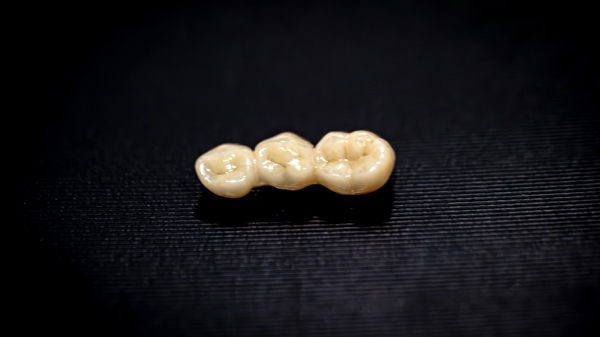
A dental bridge is a fixed restoration designed to close the gap left by a single to several missing teeth. Its framework consists of artificial teeth called pontics anchored on either side by dental crowns affixed to natural teeth or dental implants. Bridges restore patients' ability to properly chew and speak while preventing their other teeth from shifting out of position.
Are there different types of bridges?
Yes, there are several types of dental bridges. A general dentist will recommend a type according to the patient’s oral needs, such as whether the gap is near the front or back of the smile. Dental bridge types include:
- Traditional bridges: Involve placing crowns on the natural teeth adjacent to the missing tooth.
- Cantilever bridges: Used when there is only one adjacent tooth to support the restoration.
- Maryland bridges: Eliminate the need for crowns with metal or porcelain frameworks bonded to the backs of the adjacent teeth:
- Implant-supported bridges: Rely on dental implants for support rather than natural teeth.
Each type of bridge has its benefits. Often, a patient has the option to choose from two bridge types (such as Maryland and cantilever). A dentist can help the patient make an informed decision.
How long will a dental bridge last on average?
Dental bridges can last about 10 to 15 years. However, how long they last depends on the quality of their materials, the patient's oral hygiene habits, and the overall health of the supporting teeth or implants, among other factors. Regular dental checkups and proper care can significantly extend the life of a bridge.
Are dental bridges noticeable when speaking or smiling?
No, dental bridges blend seamlessly with natural teeth. Using materials like porcelain or composite resin, general dentists can ensure the bridge matches the surrounding teeth' color, shape, and size. As a result, patients can speak and smile confidently without any concern about the bridge being noticeable.
Do dental bridges require special care?
Maintaining a dental bridge involves similar care to that of natural teeth. Daily brushing and flossing help to prevent plaque buildup around the bridge and supporting teeth. Dentists often recommend using floss threaders or water flossers to clean underneath the bridge. In addition, regular dental cleanings and checkups about every six months help ensure the bridge remains in good condition and that the surrounding teeth and gums stay healthy.
Can anyone get a dental bridge?
Dental bridges are a suitable option for most patients with missing teeth. However, the success of the treatment depends on the health of the adjacent teeth or implants. Dentists will evaluate the surrounding teeth and gums to ensure they can provide adequate support. If the supporting teeth weaken, other treatments, such as crowns or implants, may be necessary before placing the bridge.
Want to learn more?
A dental bridge does more than fill a gap — a general dentist uses it to restore bite function, enhance smile aesthetics, and support long-term oral health. With different options to choose from, it is important to consult a dentist for personalized recommendations. Contact our Carrollton team today to learn more about dental bridges in an appointment.
Request an appointment or call Carrollton Smiles at 757-712-0212 for an appointment in our Carrollton office.
Related Posts
While there are several ways to restore your smile, a dental bridge remains one of the most reliable solutions in restorative dentistry. However, one size does not fit all. Choosing the right bridge depends on the condition of your surrounding teeth and your long-term oral health goals.A dental bridge consists of two or more crowns…
You can have a complete smile with a dental bridge. Tooth loss interrupts proper eating and speaking. This dental replacement option allows the wearer to regain proper oral function. Knowing how a dental bridge can bring back your oral functionality can motivate you to set an appointment with your dentist soon.It can be challenging to…
Losing a tooth can affect more than just your smile; it can also impact how you eat, speak, and maintain oral health. Dental bridges are a popular and effective solution for filling gaps left by missing teeth. By understanding the different types of dental bridges, you can work with a general dentist to find the…