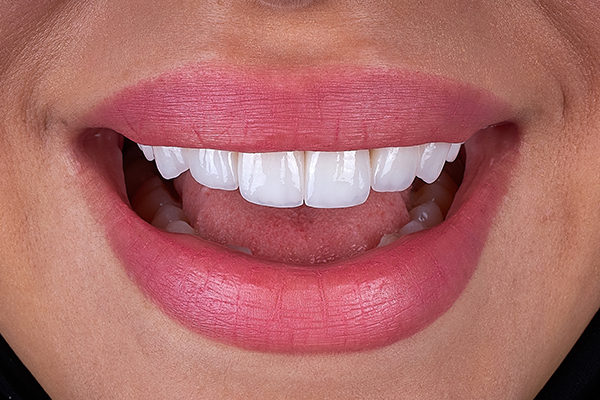
An implant restoration can replace a missing tooth while closely matching the appearance and function of the surrounding natural teeth. Although the dental implant provides support beneath the gums, the visible restoration completes the smile. A dentist carefully plans its color, shape, size, and position so it blends naturally with nearby teeth. This customized approach can create a replacement tooth that looks balanced rather than noticeably artificial.
Evaluating the surrounding smile
Designing an implant restoration starts with a detailed evaluation of the mouth. The dentist examines the teeth near the implant, the gumline, the bite, and the overall proportions of the smile. These details provide a guide for creating a restoration that fits naturally into the available space.
The dentist may also use digital scans, photographs, or impressions to capture precise information about the teeth. These records help determine the appropriate width, length, and contours for the replacement tooth. Careful measurements can prevent the new restoration from appearing too large, too small, or out of proportion.
Matching the color of natural teeth
Natural teeth rarely have one flat shade from top to bottom. They contain subtle differences in brightness, translucency, and tone that contribute to their appearance. A dentist considers these details when selecting the color for an implant restoration.
Shade selection usually involves comparing the restoration with the neighboring teeth under appropriate lighting. The dentist may also consider how light reflects from different surfaces of the smile. Matching these subtle characteristics helps the replacement tooth blend in rather than stand out.
Recreating natural shape and texture
Tooth shape affects more than appearance. The contours of a tooth also influence how it fits against neighboring teeth, supports the gums, and functions during chewing. Therefore, the dentist designs the restoration to complement both the smile and the patient's bite.
A custom implant restoration may include small surface details that mimic natural enamel rather than creating an overly smooth or uniform appearance. The dentist also considers the edges and curves of nearby teeth. These details help create continuity throughout the smile.
Creating a balanced gumline
The gums frame each tooth and contribute significantly to the final cosmetic result. A dentist evaluates how the gum tissue surrounds the implant and compares its position to that of nearby teeth. Healthy, well-shaped gum tissue can help the restoration appear as though it emerges naturally from the smile.
Proper contours also make it easier to clean around the restoration. The dentist balances cosmetic goals with enough access for brushing and flossing, helping patients keep the tissue around the implant healthy.
Checking the bite before completion
Appearance represents only one part of successful implant restoration design. The replacement tooth must also fit comfortably within the patient's bite. Excessive pressure may create discomfort or place unnecessary stress on the restoration and implant.
The dentist checks how the teeth come together and makes small adjustments when necessary. This process helps the implant restoration function comfortably during everyday biting and chewing.
Complete the smile with a custom restoration
A natural-looking implant restoration requires careful attention to color, shape, proportions, gum contours, and bite. By customizing each of these elements, a dentist can create a replacement tooth that complements the surrounding smile while supporting comfortable function. Regular dental care can then help maintain both the restoration and the tissues around the implant. For more information or to schedule an appointment, call our office.
Request an appointment here: https://www.carrolltonsmilesva.com, or call Carrollton Smiles at (757) 712-0212 to schedule an appointment at our Carrollton office.
Check out what others are saying about our services on Yelp: Implant Restoration in Carrollton, VA.
Related Posts
A smile makeover transforms a person's appearance by refining the look and symmetry of their teeth through a customized treatment plan. Many people enjoy excellent oral health but feel hesitant about their smiles due to lingering stains, small chips, or uneven tooth edges. A comprehensive plan provides the necessary structure so that cosmetic changes appear…
When individuals want to undergo a smile makeover, planning the entire process is necessary. General dentists are the best resource patients can utilize for effective teeth and gum transformation. They will craft an effective, extensive, customized treatment plan for each patient's unique case.The following information outlines a few of the most common smile makeover procedures,…
A preventive dentist focuses on stopping problems before they start. By pairing routine checkups with good daily habits, patients protect enamel, gums, and long-term oral function. Seeing a preventive dentist helps catch early signs of decay or gum inflammation, guide at-home care, and plan simple treatments that preserve natural tooth structure. Preventive care also supports…
A cosmetic dentist can transform an uneven, cracked, or chipped smile with dental veneers. However, with such a variety of applications, many patients are unsure if they may benefit from this cosmetic dental service. For overall smile improvement, consider seeing a cosmetic dentist about veneers.Dental veneers fit over the fronts of teeth, making them well-suited…