How Long Do Dental Fillings Last?
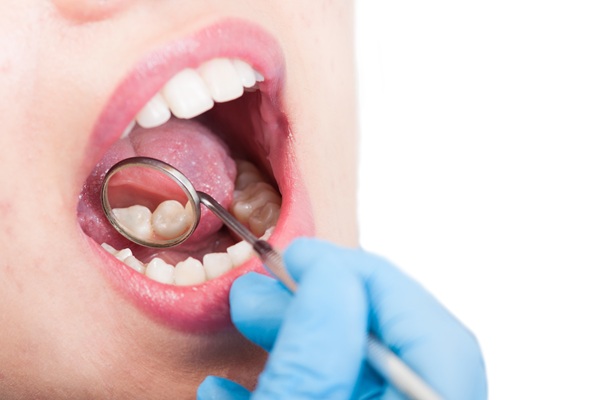
Dental fillings repair teeth affected by cavities. However, how long they last depends on the selected material, the patient's bite, and how well that patient cares for their smile. With good oral hygiene and regular dental visits, fillings can last many years.
Why dental fillings do not last forever
A dental filling must handle everyday chewing, temperature changes, and daily cleaning. These forces can wear down the filling, cause a rough spot on it, or loosen the seal it has on the tooth. Bacteria can also accumulate around the edge, increasing the risk of new decay.
In addition, the natural tooth around the filling has a role in how long the restoration may last. A small filling in a strong tooth may last longer than a large filling in a tooth with less structure left. Similarly, those on the back teeth may need to be repaired or replaced more often; these teeth bear the brunt of daily biting and chewing forces.
The lifespan of different types of dental fillings
There is more than one type of dental filling, and each one has its own expected lifespan. Explore them below.
Composite resin fillings
Composite resin dental fillings match the natural shade of the smile and provide a highly discreet appearance. They bond directly to a tooth’s chemical structure, which helps support the remaining enamel. The downside is that composite resin can wear down faster than metal alternatives under heavy forces. Still, composite fillings typically last five to 10 years.
Glass ionomer fillings
These dental fillings are also tooth-colored, but they contain silica glass powder. They last about five to seven years on average. What makes them different from composite fillings is their ability to release fluoride over time. Fluoride is a natural mineral found in spinach, seafood, and green tea; for dental care purposes, it helps keep the teeth strong by remineralizing them. As a result, the teeth are less susceptible to decay.
Silver fillings
These fillings are also known as silver amalgam fillings, because they contain a stable mixture (i.e., an amalgamation) of metals. They are known for their remarkable durability, often lasting 10 to 15 years before requiring replacement. They are great at withstanding heavy chewing forces, which is why they are highly suitable for molars.
How to help dental fillings last longer
Patients can help dental fillings last longer by caring for them as they would natural teeth. Brushing twice a day, flossing daily, and keeping regular dental appointments (every six months) all help protect the edges of a filling. A dentist may also recommend fluoride toothpaste to strengthen enamel and reduce the risk of new cavities.
Moreover, patients who grind their teeth should talk with a dentist about protection. A custom night guard can reduce pressure on fillings, crowns, and natural teeth. This can be particularly helpful for patients with several restorations or a history of chipped dental work.
Schedule an appointment
A filling restores a partially damaged tooth so that it can keep working comfortably. While dental fillings are durable, they do not last forever. A dentist can check existing fillings during routine visits and let patients know when one may need repair or replacement. They can also help patients choose a filling if it is their first time needing one. Contact Carrollton Smiles today.
Request an appointment here: https://www.carrolltonsmilesva.com or call Carrollton Smiles at (757) 712-0212 for an appointment in our Carrollton office.
Check out what others are saying about our services on Yelp: Dental Fillings in Carrollton, VA.
Related Posts
Dental fillings are one of the oldest known methods of dental restoration. Dentists have been placing dental fillings for years as a way to stop damage and restore an unhealthy tooth. However, as modern dentistry has begun to take over, certain types of dental fillings are beginning to die out. Silver dental fillings were originally made…
Do you currently need a dental filling for a cavity? Read on to learn more about dental filling options. Cavities, also known as caries or tooth decay, occur when plaque eats away at the enamel that covers the outer surface of teeth. It is important to get a dental filling for cavities as soon as…
A cosmetic dentist specializes in improving the appearance of your teeth. This dental professional offers a variety of services that can help enhance your smile and boost your confidence. Each of these cosmetic services can help you achieve the confident and beautiful smile you desire.One of the most popular treatments provided by a cosmetic dentist…
Cosmetic dentists aim to help patients get the smile of their dreams. Because everyone has different ideas of what their dream smile looks like, their care plans are different, making it possible to have one or multiple treatments. However, more often than not, a smile-brightening treatment is included. Cosmetic dentists primarily use three proven ways…